Life in Lockdown is an irreverent look at life during the Covid lockdown, written as a daily blog looks at the increasingly bizarre behaviour of stir crazy neighbours. It is written from the perspective of someone who served in the military, so beware of the gallows humour! Joking aside, during this time it was quite a reflective period, no vapour trails which always criss cross the sky, the sound of skylarks unheard of over the daily bustle and vehicle movement, maybe a time for reflection back to an earlier time. Its available on Amazon in paperback and Kindle. Here is a link! https://www.amazon.co.uk/gp/product/B0BCNRBPL9/ref=dbs_a_def_rwt_bibl_vppi_i5
Hens with Benefits
Hens with Benefits
Domestic hen keeping these days is becoming more and more popular, but it’s not until you own a flock you can really understand how these descendants from the dinosaurs, make a place in your hearts. This book explains how you can get dragged into their strange ways and habits; I have put a lighter spin on their behaviours to add a funny yet informative narrative to what seems to the outsider, simply having hens. During lockdown, I observed their behaviours and strange nuances to which I then added a strong dose of imagination and a sense of the ridiculous. This new book is for all keepers of hens both new and experienced, to demonstrate just how much fun you can have with them. I commend this book to anyone who just need a little laughter and a smile in their day! Please enjoy reading it as much as I had fun writing it!
New book review!
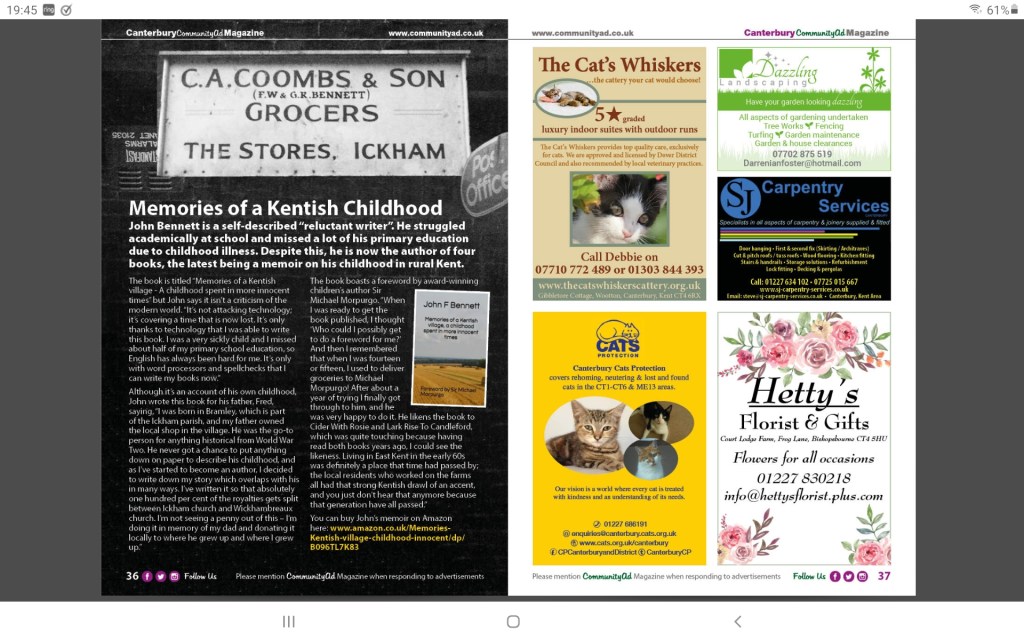
Good morning all, I have been sent a review on my recent book, Memories of a Kentish village, please have a look!
Village Life In Kent Fifty Years Ago
A little surprise!
What a surprise, a whole page explaining the background of my book! Didnt know anything about it other than a phone call out of the blue! In the latest edition, page 36 of the Canterbury CommunityAd magazine, goes to all households in Canterbury and available online!
The smells of Autumn

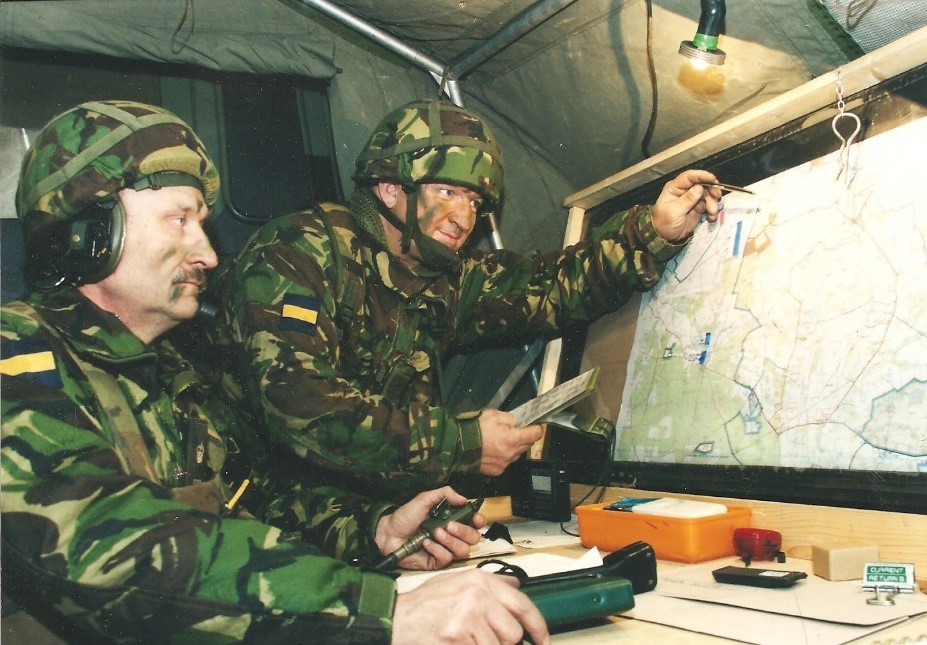
The changing seasons invoke memories of times gone by, the condensation on the outside of the conservatory window, the dampness in the early morning air, together with the smell of harvest, immediately takes me back to 1983.
Back then we were still embroiled in the Cold War, a left over from the conflict of WW2. The defence of Europe was still vitally important, but by now it was not a war of millions against millions the technology had moved on, and the boots on the ground were now there to slow a full-scale attack until the politicians could make the relevant decisions to deploy the battlefield nuclear weapons that had been in safe storage since 1967.
Summer leave across the British Army of The Rhine has always been in August since the end of the war, thousands of families would travel back home to see family and friends. The last two weeks of August would see fully laden cars registered to British Forces Germany queuing to get into Dover docks ready for the long journey home to their quarters in barracks.
Clearly the Soviets had no intentions to gain ground as they would have attacked us during the summer leave period when many bases only had a skeleton staff available.
In the days following the cessation of cars going back to West Germany, the unit I was attached to would prepare for the ‘exercise season’. Since we were an occupying force in 1945 the ability to train realistically was possible across the plains of Germany, this meant crops were damaged and the knock- on effect for the population was to avoid disruption keeping them fed and the economy going. Changes were made whereby the exercising in open country was only allowed from the first week of September through to the end of March, to avoid damaging crops and avoid confrontations with angry farmers.
All the major reinforcement exercises would take place in September/October, Exercise Crusader, Eternal Triangle and the largest one in the history of BAOR, Exercise Lionheart. Thousands of reinforcements would pour across the channel by ferry and air to simulate the hasty defence of our existing army on the ground.
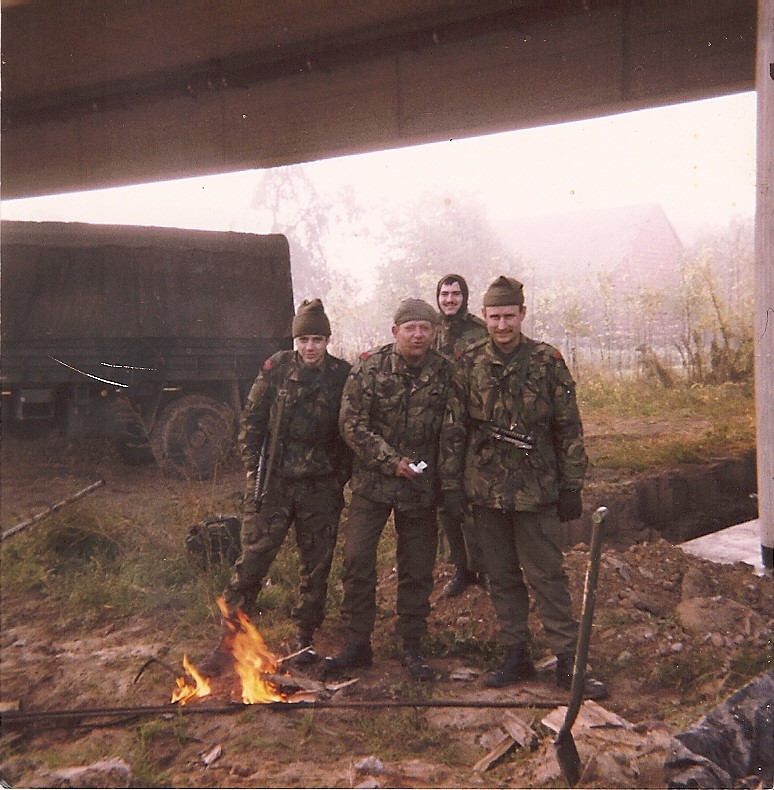
We would travel for hours without rest, refuelling and eating composite food in woods adjacent to motorways all across the area until we found ourselves, in our case in a valley near the village of Sibbesse, just South East of the city of Hildesheim. We would take up positions and dig defensive trenches, the same ones we filled in last year and the one before! We would then sit and wait for the hoards to come along the valley to slow them down.

The reality was of course, the Soviets would have reached Calais before we would have cleared Customs in Dover, such was the might and manoeuvrability of their army.
Looking back in the cold light of day, yes it was scary stuff, the threat of the Soviet Union was not taken lightly, they had far more manpower, equipment and weaponry than we did but couldn’t realistically have managed or run the infrastructure across Europe which of course they knew. My memory of sitting in a trench overlooking the misty plains below is tinged with a satisfaction of a job well done, but in reality, the loss to the taxpayer was the major factor here, yes, we defended Europe but at what cost? The Berlin wall has been down 32 years, life has moved on but the Russian hardware is still just across the borders? Who knows what will happen in the future but meanwhile I reminisce smelling the damp air and putting on an extra jumper as I am now forty years older and feel the cold!
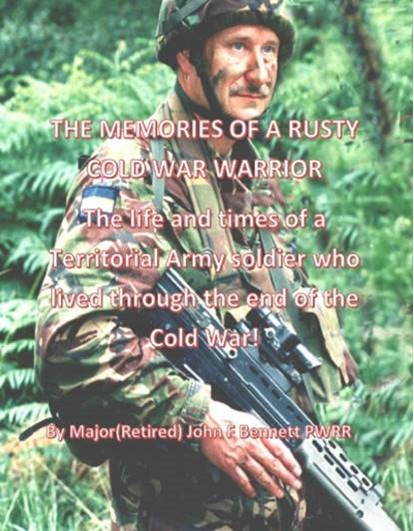
I have written my memoirs of my 27 years in the Army, its been republished on Amazon. A link is here:https://amzn.eu/d/czNmpjc
The search for the perfect Caribbean beer goes on!
I strive to review in the public interest the beers of the world…well in the Caribbean anyway, after many visits and personal suffering in the interests of all my readers I am still reviewing the delights of this delightful golden liquid. Having travelled the region extensively I conclude the makers of lager are missing a trick here. Yes, there are some very palatable beers but one has to bear in mind a few things.
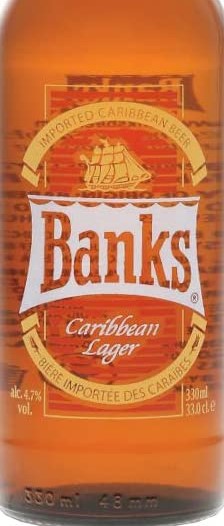
Firstly, the average temperature in the region is between 27 and 32 degrees all year round. To get a refreshing beer that doesn’t go straight to your head is almost impossible, in the UK the type of beer needed was known a ‘session’ beer, a low alcohol tasty drink that could be consumed in large quantities without the onslaught of the term ‘talking bollocks’.
This unfortunately happens in the Caribbean ring. After a day out sightseeing you would return to the hotel and grab a beer from the all inclusive bar. This would always be served at about 3 degrees c. cold, refreshing and extremely thirst quenching. The danger after three of these bottles of this Ambrosia, nectar of the gods, would be the side effects of the alcohol going straight to the head and the onset of the term noted above. If a 3% version was produced this would minimise this unpleasant side effect and you could chat to your fellow holiday makers in sensible conversation prior to going to supper.
Secondly, the colder the beer the more you are inclined to drink, if it was chilled to 5 degrees c the effect would be lessened, it would be sufficiently cold enough to be refreshing but less likely to stir up the sensory thingamys in your brain.
Our most recent travels took us to Mexico where we have tried and rated the two local beers entirely for your benefit and delight. Sol is a light beer with a ABV of 3.2 so quite light and refreshing. It does however leave a sharp tang in the back of the throat long after the last drop has passed. If consumed in conjunction with a cheeseburger, it makes the food taste quite odd. I would point out the Sol in Mexico is completely different to the licenced product available in the UK.
The second and to be fair the more drinkable Dos Equis XX is a stronger but more palatable lager at 4.7 ABV. For a stronger lager it is very quaffable and leaves little or no hangover. My choice of beer for Mexico is the Dos Equis hands down.
So, in overall ratings we have the following. 1st Banks, 2nd Piton, 3rd Hairoun 4th Dos Equis, 5th Turtal, 6th Carib and finally the Sol. The search for the perfect Caribbean ring, lager will continue later next year.
Remember, I endure the pain on your behalf so you don’t have to!
And so, my fellow travellers and beer aficionados, the search for the perfect Caribbean beer continues unabated. Look out Antigua, you are next on the list for scrutiny!
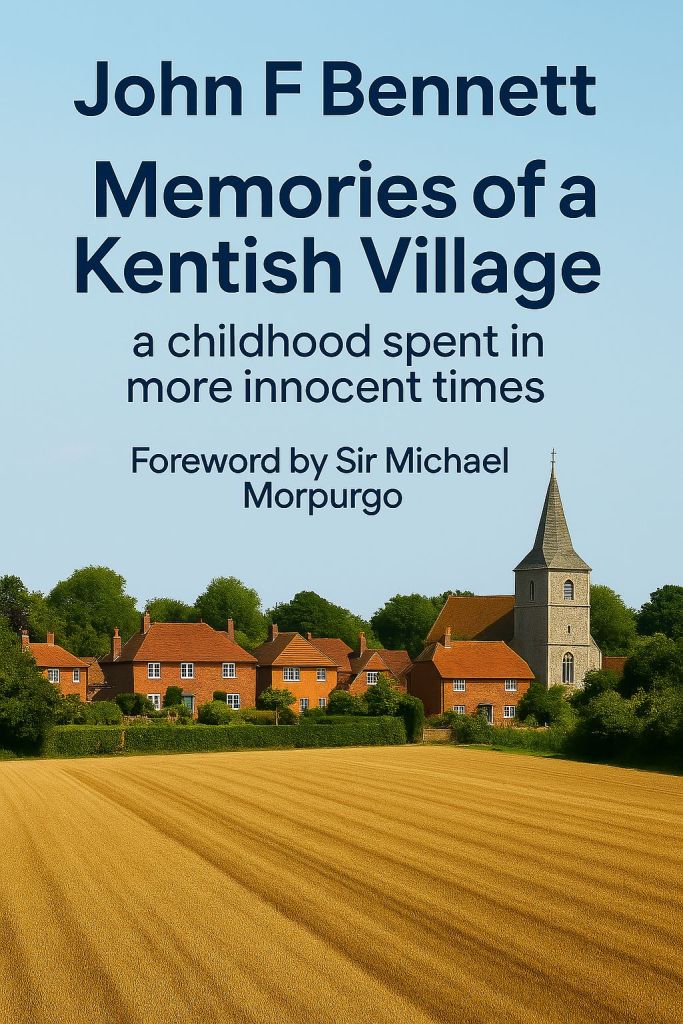
Memories of a Kentish village
How about a little reading material for the upcoming holidays? A few hours of nostalgic reading perhaps? The Memories of a Kentish village-a childhood spent in more innocent times chronicles the adventure of a young lad in East Kent from the early 1960s through to 1973. Life adventures and the ups and downs of growing up during those times. The foreword has been written by Sir Michael Morpurgo who likens it to the Cider with Rosie and Larkrise to Candleford of East Kent. Its available in paperback and ebook on Amazon. Here is the link.
https://www.amazon.co.uk/Memories-Kentish- village-childhood-innocent/dp/B096TL7K83/ref=tmm_pap_swatch_0?_encoding=UTF8&qid=1628782026&sr=1-1
Tobago, the unspoilt Caribbean island
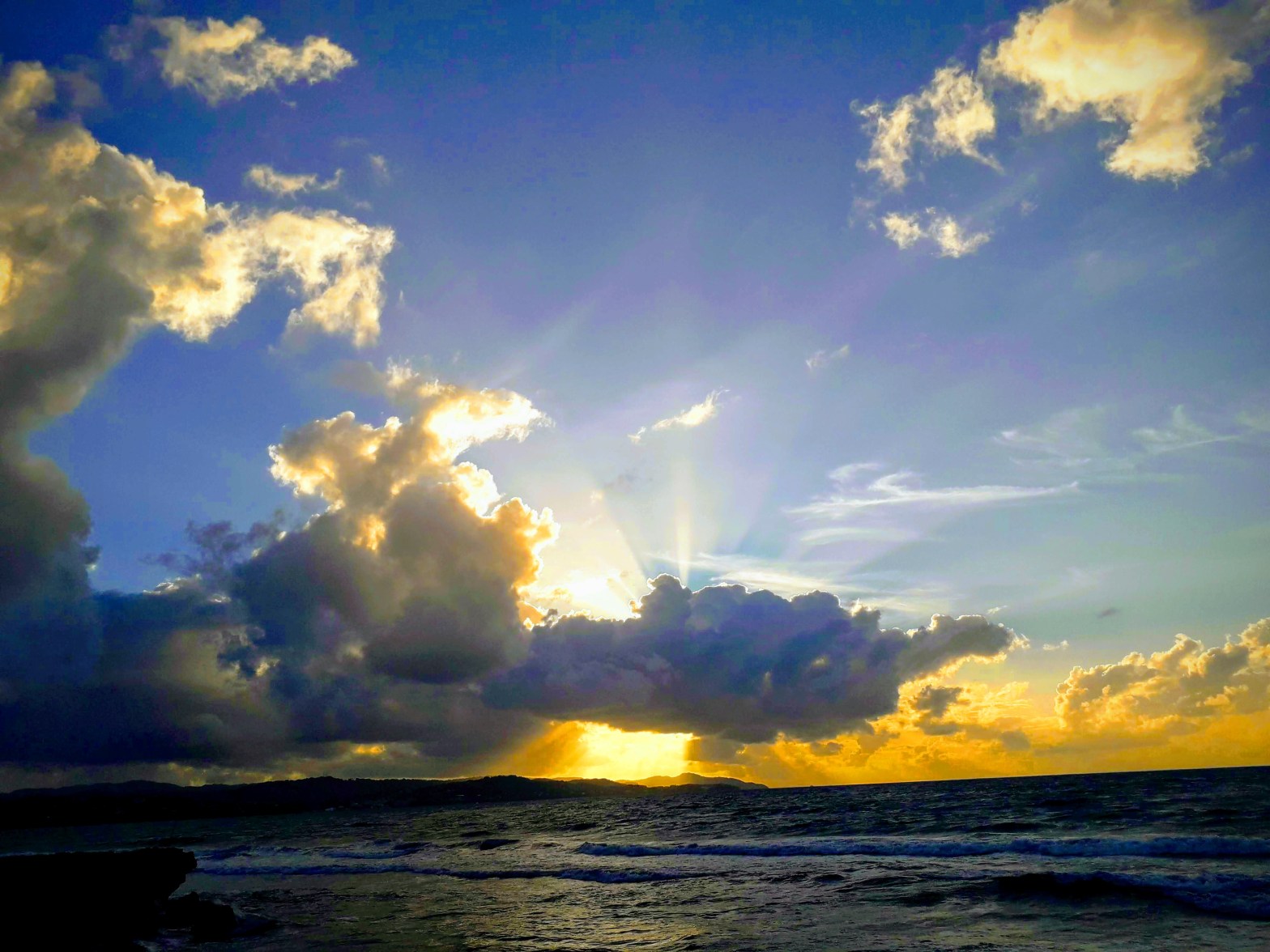
I would like to share a little secret with my readers. There is a small island 470 miles from the coast of Venezuela. It is Tobago, part of the country of Trinidad and Tobago the southern most islands in the Caribbean ring.
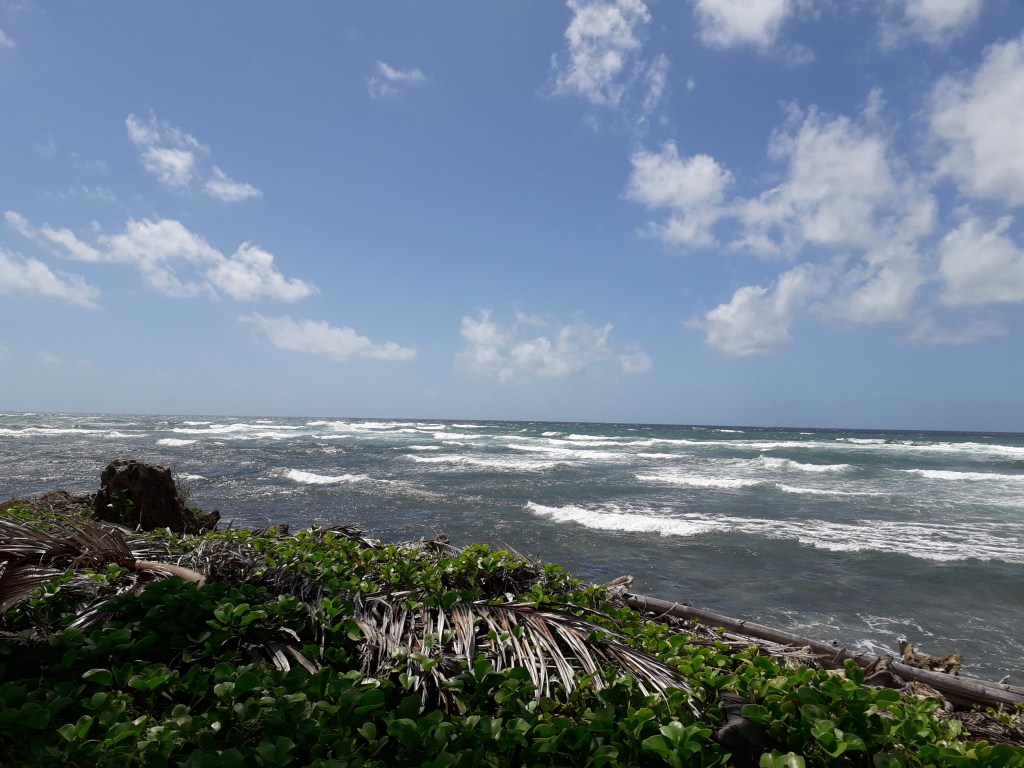
As seasoned travellers to this part of the world we have discovered Tobago to be rich in history, culture and a haven for wildlife normally only found in South America. Tobago seems to be an undiscovered tropical island with the main tourism emanating from the sister island, Trinidad.

The local inhabitants are so friendly and hospitable, just as you would expect from the Caribbean islands, our stay at the Magdalena Grand in the Lowlands area initially was on first inspection was concerning. The hotel was not all in use. Some blocks and swimming pools on the extremities hadn’t been used for a number of years and were falling into disrepair, but the areas in use were well maintained and perfectly appointed.
The buffet style restaurant was really well balanced with local food mixed with European classics with occasional ventures into Mexican and Indian classics. The latter was quite a surprise but on realising the many of the population of Trinidad were originally from the Indian subcontinent, it made perfect sense. The two other restaurants, the poolside and the Robinson Crusoe bar offer either Al a Carte or snacks according to your needs.
Unusually there is an art gallery to the left of reception near to the business suites, probably the best air conditioning on the island but equally some of the best local art we have seen in the Caribbean. The grounds are well maintained and the beach area is cleaned daily. The are many good things about this resort and for a writer where the space and peace gives you a clear head to encourage creative writing. Probably a once in a lifetime experience was seen from the first floor balcony at midnight where a turtle came up the beach almost to the path and proceeded to spend the next two hours laying its eggs before lurching and dragging itself back to the ocean. The following morning daylight revealed the flipper marks in the sand where our friend had been, returning to her place of birth some thirty years before starting the cycle all over again.

The Magdalena has its own PGA rated golf course just a short ride away on a golf cart. Each stay at the hotel comes with two rounds of golf but as non players we availed ourselves of the on-site golf carts to ride the perimeter track to spot the wildlife. In all our years of travel we have never seen so may species all in one place, fitting in with the golfers, the Skimmers were taking in the afternoon sun on one of the greens The national bird of the island, the Corico, the Rufus-tailed Chalachalaca (sometimes known as the Tobago pheasant) walk among the trees with their young, totally oblivious of human presence.
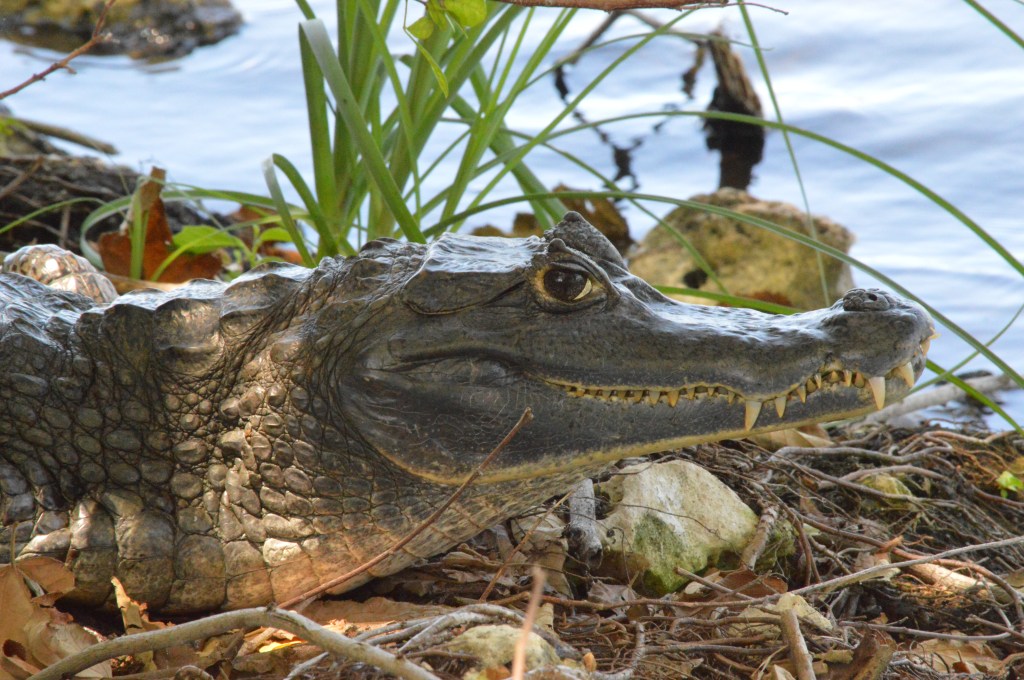
In the lake which is positioned in the centre of the golf course there are many Cayman, basking lazily on the banks, they are used to seeing golf carts as you can drive by them just a few metres away without any reaction.
I would recommend hiring a local taxi driver for the day. The islanders are very proud of their place in paradise and are all eager to show it off. Hiring a taxi for half a day costs around $40 US but you get to see places which normal tourists wouldn’t find. For such a small island they have a rain forest, a sheltered coastline with pure white beaches and a boisterous coastline against the Atlantic which if you can use your imagination, the last stop for the wind was the West coast of Africa.
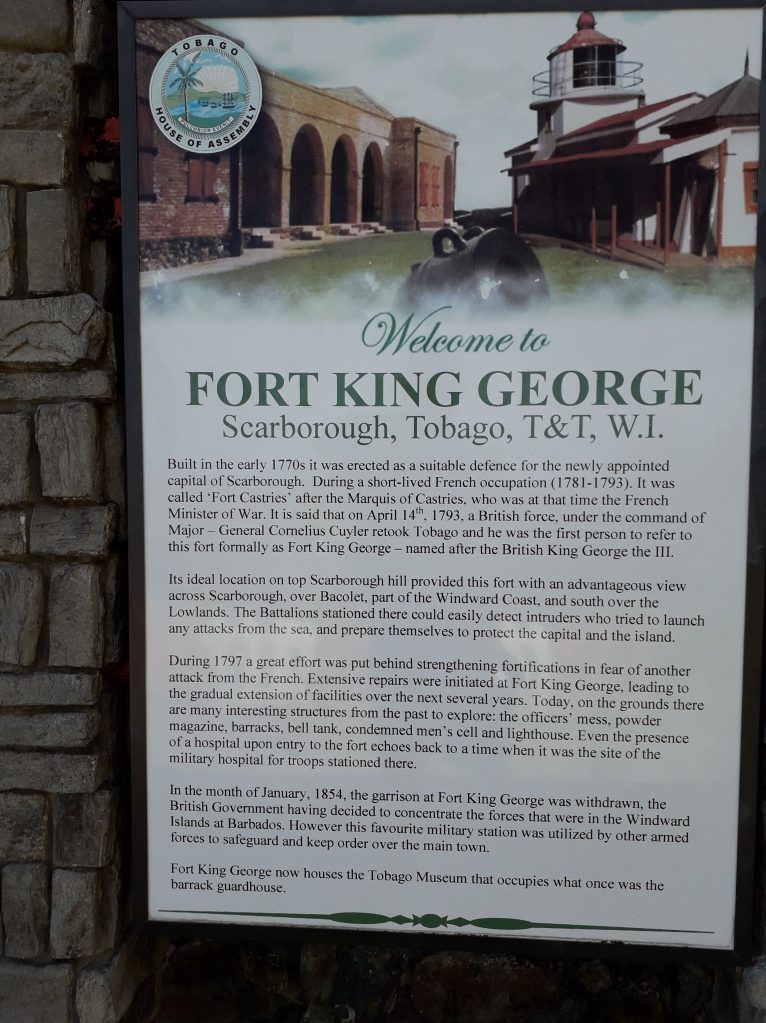
There are many forts and ruins showing the various battles fought over the Caribbean islands for the insatiable appetite for the sugar and rum. In the 1700s the island changed hands many times from the British to the French and even the Portuguese all tried to gain its natural wealth.

This unspoilt island is not yet on the radar of the long haul tourist, probably due to the journey time from the UK, its around 10 hours with a short stop off either in St Lucia or Antigua, this for some is just too long for a weeks holiday. The majority of the tourist are actually from the sister island of Trinidad, this is a little more built up and industry thrives, so for the weekend whole families descend on the island either to the hotels or holiday homes. After all its is only 20 minutes by aeroplane!
We will be going back as soon as the situation allows, this is one of my favourite places to relax and see the Caribbean as it was before the wave of tourists from across the world demanded fast food, light and entertainment. I commend this tiny island to anyone who wants a view on life from 40 years ago, its serene, thought provoking and above all one of the friendliest places on earth.
The Interview
I was saddened to see a dead bat laying on the patio this morning. Immediately I assumed the cats had been up to no good. We have a colony of Pipistrelles’ nearby and this appeared to be one of that species.
I called an immediate meeting of the felines who were at least two hours into their daily routine of sleep and generally doing nothing. To catch a bat would require impressive dexterity and to my knowledge, two of the three can barely catch their breakfast from the food bowl due to laziness and a total lack of coordination. I however decided to try and catch them out.
Sampson was first up, he sat there bleary eyed looking as dopey as always wondering I think what a bat actually was. After much questioning I determined the nearest he had come in the night to the bat was sitting on the fence and yawned. Unless the bat was very unlucky and just happened by as he completed his yawn, I think he is out of the running. I dismissed him but he just fell asleep where he stood.
Before I challenged the rest, I thought I would check the security camera. The last time he was seen on the camera was at 8 o’clock last night so he was out of the running, the lazy little git had been indoors all night…and he was tired? I wish I had the life of a cat!
Next up was Matilda, AKA the killer whale because of her markings and her poor attitude. She refused to come into the interview room so I decided to conduct the interview on the sofa where she was firmly ensconced. Matilda does what she wants and when she wants, failure to observe this usually results and a full bladder of cat pee on the cooker in the middle of the night to convey her displeasure.
I checked the camera first and sure enough she was about in the night, wandering up and down the garden keeping us safe in our beds. At last, I thought she is doing what she is paid to do and not a mouse in sight. There was a complete denial from the interviewee she claimed she didn’t know what a mouse was let alone a bat. In her defence she can’t jump too high and does have the balance of an earthworm. I advised that this was an interview under caution and we could be revisiting the conversation.
Finally, it was Coco’s turn. My suspicions have been aroused because she leaps off the conservatory roof with no thought of how high it is. If you can jump that far in theory you could jump up and catch a bat if needed. Coco denied the crime completely, she hadn’t seen a bat in years…yeah right! She did under the threat of removal of cat treats confess to finding a rabbit in next doors garden, a pigeon, a rook and a bowl of cat food inside the cat flap of the house across the way. The animals she assured me she led home to safety. I was not convinced so I adjourned the proceedings until I had consumed my cup of tea and a piece of cake.
I decided to go for a drive and as I reached the gate, Coco was launching herself off next doors green rubbish bin at a sparrow flying down the path. Judging by the height and trajectory, I can rule out any interference in the bat’s demise. At the top of her trajectory the sparrow had travelled on at least 18 feet, so absolutely no chance of catching a bat at full tilt in the dark!
When I returned all the cats were laughing at me. As I walked down the path the bat had moved, it was on the low wall scratching its ears and looking a bit dopey. As I walked up to it took flight and headed back to its roost. It all became clear; we cleaned the windows of the conservatory yesterday and the poor little bat couldn’t pick up the glass on its radar and bumped his head.
The cats will make me pay now, there is nothing like a vindictive cat, there will be fur everywhere and they will invite their friends in during the night and party until dawn. So much for my suspicions I give up and will go and sit in with the hens!
Hens with benefits

Hens with benefits
Introduction
Keeping hens these days is becoming a popular pastime, according to the Hen Welfare trust, they are the most popular pet at the moment. Hen ownership is divided between the those who have and those who have not. Hens in a coop providing eggs is how most non owners perceive ownership to be, but those who know find it the most amusing and hilarious pastime.

My intention with this little missive is to explain how much hen ownership can provide humour and of course a daily benefit.
Ten years ago, we had no idea about hens, but one day we looked out an on our front lawn was two huge Sussex white hens. They belonged to the house two doors down and after a couple of days of visits, they discovered the wild bird feeders and the rest became history. If we didn’t throw out the seed for the wild birds by 8am, they would tap furiously on the front door. This was disconcerting as we initially thought we had rats!
One night in the winter I went out to shut the gate and they were huddled down against our conservatory sleeping in the most atrocious weather. How they got around the back of the house still isn’t apparent even after all this time.
I delivered them back to the surprise of the owner, one under each arm and placed them in their custom-built bijou residence they shared with a rather smart little duck. One day they didn’t come round and after a few days we asked about them. Sadly, a dog had broken in and killed them.
After missing them we decided to join the fast-growing hen ownership club.
Was it a bad move?
Having a few hens can be very rewarding and good for those with high blood pressure but boy, do they make you pay! They draw you in with a false sense of security, for three weeks they are the cutest creatures, they make cute churdling noises and look up at you with love in their eyes. When they have won you over then they start to have some serious sport and show you who is really the boss.
They have few demands to start with, fresh water every day and a constant supply of feed pellets. The man at the ‘hen shop’ said they don’t need anything else, but on reflection I was unsure of the knowing glint in his eye.
Sure enough, out they come in the morning, eat pellets and drink water. This was good for a couple of weeks then they started to churdle and mutter. At 0630 surrounded by neighbours who at best go to work and worst stay in bed under the guise of being retired, was too much. A quick googlywoogly suggested that dried ‘hen treats’ in small quantities would bring peace and harmony to the flock of pterodactyls’ descendants.
The smile of recognition as we pulled into the drive of the ‘hen shop’ on the face of hen man was welcoming and as we emerged from the car, he was holding a bag of ‘hen treats’ with that knowing look on his face, suggesting that “they have started then”!
The cost of a small bag was a prelude to the full price of the Crown Jewels in rupees, it seems that hen ownership comes with strings. The application of a handful on ‘hen treats’ was just what the doctor ordered. Absolute silence, happy pecking hens, heads down, tails up, we settled in for a spot of gardening.
The girls came with clipped wings to avoid them going vertical at the most inopportune moment, so the management decided it would be cute to let them out to let them forage naturally. I wasn’t so sure but in true underdog style I eventually thought it would be a good idea.
I am sitting drinking my tea with a hard-earned bourbon biscuit, listening to the birds in the garden when suddenly there was a white flash. There she was sitting on my lap, eating my biscuit ripped from my grip. The others were clambering up my legs trying to join in. This is no fun with shorts when you realise just how sharp the claws are, its comparable to having a hen version of ‘Eddie the Eagle’ ski jumping down your legs.
I jumped up tea everywhere but, in my shock, I did see the biscuits being caught mid-air and snatched up reminiscent of a cricketer attempting a slip catch. After this I didn’t think it was safe to have hens roaming loose and wear shorts. This was repeated some while later. My MIL, a cute little old dear came to visit and we were enjoying a pleasant afternoon tea when she asked if the hens could come out. Remembering (how could I forget; I had been kept awake from nightmares ever since the last event!) what happened last time I was somewhat nervous, but the management said it would be fine if they came out for a little while.
I opened the gate and when the first hen reached the door it threw its head back and started running like a demented swan trying to get airborne from an ice-covered lake. Its mates followed suit and before long, I decided the time was right to go and check the amount of firewood stored in the garage.
Before I got to the back gate the MIL was squawking like a vulture on pethidine, the first bird had landed on her lap and grabbed the butterfly cake she was stuffing into her mouth, the other descended on the table, grabbed a cake each and leapt onto the lawn.
Hens are very greedy around food, even if they have one each, they want two or three. Watching them run around the lawn with ever diminishing cakes in their beaks was something to see, today they had excelled themselves. Not only was the hen crew in deep trouble I was also in the spotlight as I actually unbolted the gate, thus unleashing the torrent of feathery avians.
It was weeks before the MIL visited again, this time she stayed whilst we popped over the water to Jersey for a few days. I left strict instructions the gate was to stay firmly shut. This did the trick and in exchange for a few ‘hen treats’, they gave her the rewards of their labours, a smart brown egg each.
When we arrived home, they began bragging how much better a hen herder the MIL was, it transpired she cooked them toast in the mornings and disposed of the excess sprouts in the evenings. This was the precursor to a downward spiral, after she had gone home, they started a cockerel sounding competition. The sound of bedroom windows slamming around the close was echoing across the still autumn air. This I thought was the start of trouble!
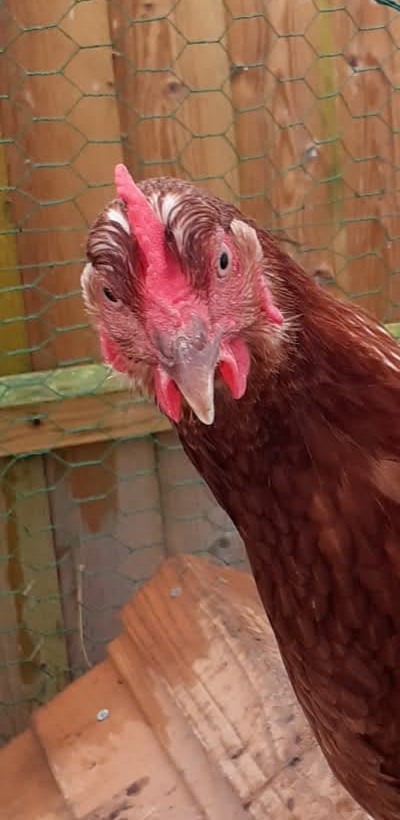
Getting their claws under the table?
The Googlywoogly man suggested that home hens may like raw broccoli and sweetheart cabbage. We tried this and as usual one hen grabbed the lot and charged about the run at some speed. It only gave up its provender when another hen threw the feed tower into its path, causing it to trip and send feed and green stuff skywards.
Feathers and clucking filled the air. Clearly these birds had had Welsh lessons from the MIL and they were practising their skills at some volume. The only way to get silence was a handful of ‘hen treats’, now though they had learned to play their hen keepers, once they had eaten the first ones they demanded more and more.
After half a pot they were waddling about reminiscent of the over fed hens in the film Chicken run. Another plan was needed before the cost of ‘hen treats’ escalated to the point of bankruptcy. The answer presented itself a few days later, I was watering the garden and accidently sprayed the hen run. They scattered and silence fell on the whole group. A few more squirts and they disappeared indoors like rabbits in front of a greyhound!
Finally, an answer to the noise, water seems to conquer all, if they are being unruly or swear, a good dose of the hosepipe does the trick. It gets to the point of reaching down to turn the tap on, and they are gone!
In the winter months we decided to give them more shelter from the elements, a wire covered frame with roof felt did the trick. That was great until they demanded a swing and a rope ladder. Sometimes they just want more, you concede and be nice to them and they expect more. Last summer they were allowed out to roam and despite my concerns proceeded to eat all the strawberries, the three apples on the trees, all the hydrangeas and finally every leaf of mint from three pots. They will always have you over.
When the bird flu epidemic was at its peak all household birds had to be netted in, so the wild birds could not mix with them. The plastic net draped from the fixings on the fence, across the roof and shelter, finally fixing on the wire fence against the lawn. This looked a bit scruffy but it became a different game when it snowed. When the hens came out, they took one look at the snow and demanded skis and goggles. We used lolly sticks and zip ties as bindings, they then proceeded to use their roof as a blue hen ski run. The game didn’t last long as they couldn’t keep their woolly hats on.
To watch them drinking hot chocolate from a communal bowl was hilarious, chocolate all over their feathers brown snow, what a mess! We flatly refused to give them glühwein, the sight of drunk hens was not happening in our garden. Their swearing and ribald behaviour was unnecessary.
Humans vs Hens
The intellect of hens does give me cause for concern, they appear thick as pheasants one moment and cunning and clever the next. I am a firm believer that if you have ‘just a hen’ and don’t name them they are more user friendly. As soon as they have a name, they become intelligent beings with the sole purpose in life to have you over.
Part of the naming process means the owners take on special names, this was instigated by the feathery beasties. I have become ‘hen daddy’ whilst the management has been christened ‘hen mummy’. Quite frankly, this is so embarrassing, our neighbours look over the gardens shaking their heads in disbelief when the monsters are yelling ‘mummy hen, mummy hen we need chopped up broccoli now and be quick about it! I do object to being called baldy by a hen with attitude, their vocabulary of swear words has multiplied sevenfold, this has made me wonder until I caught the Labrador the other day holding up cue cards trying to get them to pronounce the word ‘BUM’ phonetically!
When the last three arrived, they were duly named Bluebell, Primrose and Dahlia in honour of what their predecessors had eaten the previous year. Bluebell kept growing and eventually became known as ‘big bird’. She was enormous, not far off the size of a goose with the attitude and hen’s teeth to match. She was the ringleader of all the antics and subsequent trouble.
An example of the disharmony was after a ‘hen meeting’ it was decided that big bird would jump up on the gate and yell for attention, whilst the others hid around the back of the hen house laughing behind their wings. After copious hen treats had been administered, peace and quiet descended on the run and we went indoors to get the supper ready.
Five minutes later I turned around and sitting behind me on the hall carpet was a disgruntled Labrador, a confused ginger cat and Dahlia all in a semi-circle! After feeding the four legged creatures I collected the lone ranger and placed her back into her run. She obviously didn’t ask permission to escape as she was chased around the run collecting a peck on every move. I assumed that would be the end of her escape tendencies but I was wrong.
Two hours later I looked down the garden to see her finishing off the 95% ripe strawberries. So much for afternoon tea, after much chasing she was caught and the right wing was duly trimmed and the unruly hen was returned to the run. After another good pecking (not bright I feel!) harmony returned.
A further visit to hen man for feed produced another wry knowing smile. ‘Have you named them yet?’. Without thinking I said yes, before I could get the words out, he said ’ahh your daddy hen now then’ and walked off laughing. I feel there is more to hen ownership than you get told on the googlewoogly thingy! I feel a bit cheated; he could have explained the nuances of hen ownership upon our first encounter and we would have taken steps to mitigate the risk. Now it is too late we are doomed.
And finally!
Would I get hens again? Yes, at a blink of the eye, they are hilarious and their ability to win over humans is second to none, they are ‘cheap to run’ and when behaved, make the most marvellous pets who provide a smart brown egg most days!
My advice to anyone considering ownership would be to not give them names, you save yourself so much trouble and embarrassment. Always remove the eggs on the day they are laid otherwise they try and charge you a fiver each. Apparently, they are saving up for new beak stick and claw polish?
Bella Italia-a short break in the foothills of Umbria
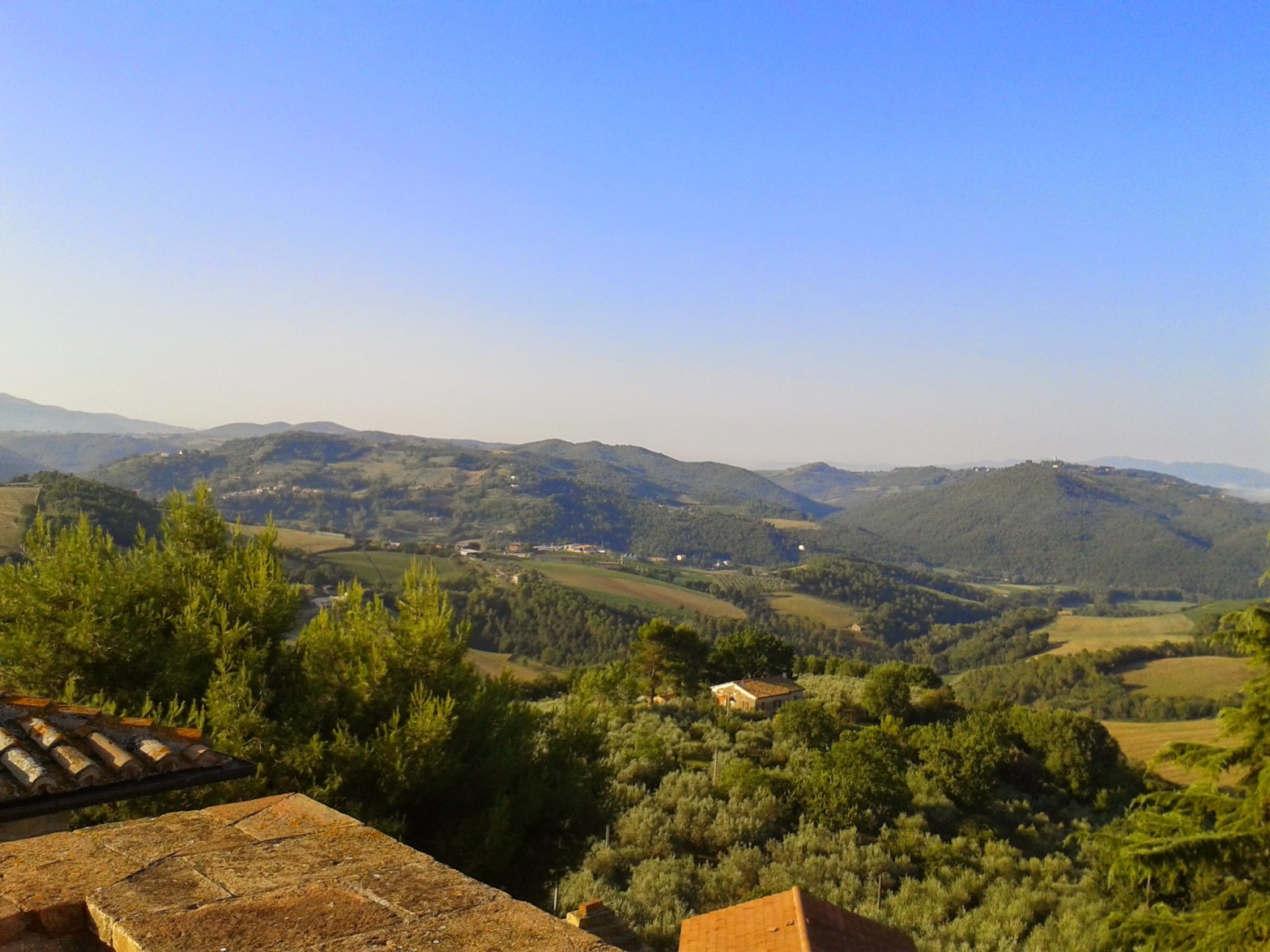
On a whim we decided to visit Italy, it was one of the places we had on our bucket list but somehow, we hadn’t got round to arranging a visit. We had a seen a deal through one of the companies who sell the holidays which are not snapped up immediately, a five-night half board trip to Umbria.
We flew from Stansted via Ryanair but this will be the last time we travel with them. The airport terminal at 0530 in the morning was similar to a riot, holiday makers were fighting with each other, drinking and the horrendous hubbub was deafening. Once we had gone through the passport control it seemed to calm down but the whole experience was very tiring and somewhat fraught.
The flight was uneventful and during the final stages, the view down on to the Italian Dolomites was spectacular. As we descended into Perugia the buzz in the cabin quietened as everyone fastened their seatbelts and we experienced an uneventful landing.
Perugia airport was basically a rural airport with minimal international traffic, used by budget airlines from France Germany and the UK, so very small but perfectly placed for the local region. We hired a car with no issues and then drove the hour to the hotel. The hire car we chose was adequate for the two of us but on the way to the hotel the fuse blew on the cigar lighter, not really essential in normal use but this was the power source for our satnav. Fortunately, we were within sight of our objective. Rather than return to the hire company I decided to have a quick look in the fuse box, clearly this had been an issue before as all the spare fuses had been removed. I decided what was needed was a paperclip! I thought reception was the best place to find one but they couldn’t understand what I was describing! Eventually after drawing one and going through what seemed lake a game of charades, we agreed that I needed a ‘Grafetta per fogli’, once found I proceed to unwind it and jam it in the fuse holder. The Satnav now worked and I had provided unequivocal evidence to the staff that the English are completely weird!
The countryside in Umbria is a succession of sharp rolling hills with random escarpments mainly set to agriculture and vineyards. We wound our way up into the mountains, via a small unkempt road to a village set on the edge of an escarpment. As we approached the village it was clear that the whole village was a hotel complex with fields of ancient olive trees descending down the valley. The Relais il Canalicchio was an impressive establishment tucked away in the hills. It has well-appointed rooms, villas, apartments and views to take your breath away.
The evening we arrived it must have been a quiet day, we had supper on the veranda outside the dining room, the food was superb but the outstanding memory was watching the sun set in the cloudless sky between the hills. This by far was the most spectacular sunset that I have ever had the privilege of watching.
Over the next two days we went south and visited the spectacular historic towns of Todi and Orvieto, both fortress towns from a time long ago after the middle ages, when turmoil was the norm in this part of the world. Orvieto is sitting high on the hill surrounded by vineyards growing the traditional ‘Classico’ grape which produced an excellent wine. The spectacular scenery and quiet roads imbued a sense of peace and stillness. Descending down from one of these towns we went around a bend and the sight of sunflowers in full bloom in the sunshine was incredible. These were grown of course for the oil production which occurs in this area.
Both days we took a circular route and whilst on the inbound leg on day two, we drove through the national park Monti Sibellini which is in the mountainous centre of the region. Views in this area were again out of this world.
On the third day we drove across the hills to Assisi, the birthplace of St Francis. On route we came across the Commonwealth War Graves site just to the east of the city. We paid our respects to the 23 soldiers from the two local regiments, one of the soldiers was related to a family in the next village where I grew up, so even more poignant.
Assisi is a small town nestled into the side of a steep hill, it would be deemed ‘long and thin’ old buildings and shops specialising in the local religious themes, fridge magnets, candles, framed watercolours and everything to do with St Francis were everywhere. We walked to the west side of the town, and saw in the distance the Basilica of St Francis of Assisi. We followed the ever increasingly narrowing road winding slowly downward with high rock faces and ancient houses towering above us. Just as we thought it was going to be a dead end the vista opened up to reveal the Basilica in all its glory glistening in the morning sunshine. The road had opened up to a large square in front of the building. As I was getting my camera ready, there was a furious hooting of a car horn and as we jumped out of the way, a very old red Fiat Panda was tearing towards us from the narrow street behind. As it drew level, we noted that it was being driven by a nun in full habit, together with a friend both with a stern look. There is nothing unusual about this style of driving in Italy but what you don’t see every day, was a Fiat Panda stacked full of large bags of incontinence pads, driven by a mad looking nun, there wasn’t even enough room in the car for a handbag!
Visiting Italy in the autumn is highly recommended for exploring, it was not too hot and comfortable for wandering around on foot. Bearing in mind the hilly nature of Umbria this was my top tip for visiting, spring or autumn is essential!
Next time we return we will have a look at Tuscany but that is the subject of another Blog!
Here is the link to the hotel, please have a look! https://www.relaisilcanalicchio.com/en/
We bought the holiday through Secret Escapes, here is their website, please sign up and the deals will keep coming! https://www.secretescapes.com/
To Russia with Love(and back again!)

I have always wanted to take a trip to Russia, I suppose it was my inquisitive nature as a retired Cold War warrior feeling the need to visit Red square, flanked ether side by the Kremlin and the huge equivalent of Macey’s. The latter being the exclusive domain of the richer classes.
The opportunity to take a five-night break for very little cost over two cities, was an offer not be refused. Two nights in Moscow followed by four nights in St Petersburg utilising the ‘fast train’ between the two cities. On arrival at Gatwick airport, we flew with British Airways direct to Domodedovo airport on the outskirts of Moscow, the flight seemed surreal as there were less than thirty passengers aboard the enormous Boeing 747.
The airport was situated one and a half hours by slow train outside the city, the tracks cut through the forests of silver birch trees with small villages and farms along the route. The train was a fairly simple affair with hard seats and slat floors, but warm and comfortable for a March day. We arrived at the terminus and made our way to the adjacent underground station.
The underground system in Moscow is a clean and perfectly tiled system. Once you got to grips with the Cyrillic letters the map seemed easy to follow, it wasn’t long before we arrived at the Hilton hotel. This was a shock as we did expect an element of austerity but this was far from it, chandeliers and gold framed artwork adorned the walls. Our room was a sumptuous and well placed for easy access around the hotel. I suspect the cost was far more than we paid for the whole holiday per night, but they wanted to sell rooms, I guess.
The next day we went to Red square on the underground, Moscow in March can be -10 with a wind chill factor dragging down the temperature to -20. This particular year it was 16 degrees feeling like early summer. Of course, we were dressed for cold weather and sweltered in the heat.
We walked through Red square which seemed so much larger than on the television, the tomb of Lenin in front of the Kremlin building was quite awe inspiring, with St Basils and its colourful and individual domes, glistening in the spring sunshine. The level of tourists walking around was far more than I expected to see. It was a surreal experience, here I was in the centre of power during the Cold War as a tourist taking in the sights.
We did the obligatory visit to the Bolshoi ballet as well… Ok it was standing outside during the afternoon but we were there! We spotted it earlier in the day during a scenic city bus tour which is highly recommended, together with the other important sites. The advantage of this is the running commentary in English which was so helpful.
The fast train to St Petersburg was a pleasant four hours. We had allocated seats with a sound system, very similar to taking a transatlantic flight. All announcements were both in Russian and English so we were well informed throughout the journey.
Once outside Moscow the industry faded away and the forests of silver birch went as far as the eye could see. The ability to take in the scenery became difficult as the train achieved over one hundred miles per hour blurring the view. The trees eventually diminished and as we passed through small towns the landscape turned into farmland, with lazy cows in tidy fields adjacent to small homesteads.
As we neared St Peterburg the ground became flatter and the outskirts of the city showed evidence of industry with old signs and abandoned industrial units. The city centre was completely different than we had seen during our stay. The cold weather seems to drive a cold behaviour, things seem dark and grey, cars and busses all depict a dark persona. But here in St Petersburg, you could have been in the centre of any western city, London, Paris, Boston, it was light bright and airy with the inhabitants bustling about their daily tasks dressed colourfully and a smile given freely. It seemed warmer here than in Moscow, understandably the locals there were just too cold to be interactive, they just needed to get home to the warm.
Our time was comparative short here, we took in the sights and walked extensively visiting art galleries, museums and the wealth of large statues of past great people, towering on plinths at prominent points around the city.
The one place that was unbelievably impressive was the Winter palace, the courtyard to the front with the huge arch and statues guarding it was quite awe inspiring. This arch has been used many times over the years in films and television programs, but in the flesh, it was awe inspiring. The palace was open for visitors but having spent a whole day walking the exhibitions and galleries, we realised that it was impossible to see it all. This was a two-day visit even if you walked quickly!
To see the painting of Cezanne, Picasso and Van Gogh as such close proximity was a surreal experience. There were there in plain sight and you could get within a couple of inches to inspect the fine detail. The only security was an elderly lady sitting on a chair with a fierce look and a cold stare. No one would mess with these individuals!
In many ways St Petersburg was a western city which had been unceremoniously dropped onto a communist society, it acted western, it felt western but retaining its charm. The pre 1917 culture has been preserved and displayed proudly to the ever-increasing numbers of tourists visiting from all over the world.
Would we go back? Yes, most certainly, the culture and history from all eras is preserved and shown off in a professional way encompassing both cultures.please have a look at my memoir!
Take me to Paradise-my second home!

If you are thinking of going to the Caribbean for the first time, I would highly recommend the lovely little island of St Lucia as a ‘starter island’. The island has a chequered history, having been fought over many times throughout history. During the late 1700s, the island was fought over six times between the French and the English, with the English taking control until the island had its independence in February 1979. It remains a member of the British commonwealth.
The two mountain peaks, the Pitons are a Unesco World Heritage site, the largest, Grand Piton is nearly 799 meters high, linked by a ridge to the Petit Piton standing at 743 meters. The small fishing village of Soufriere sits in their shadow giving a fantastic view across the island from the summit. From the peaks on a clear day, it is possible to see Martinique, Barbados, Dominica and St Vincent.
Not far from the Pitons is the hot springs and geothermal field, this is still pumping out sulphurous gases which carries on the wind out to sea. There is a visitor complex and tours of the site available for a small charge. Definitely worth a visit if you have an interest in geology.
One of the sites of interest is the fort complex on Pigeon island. The outstanding views across Gros Islet and across the sea to Martinique. The fort was built as a defensive complex when the conflicts with the French were commonplace. From the summit you could see the enemy ships leaving port. This gave the defenders time to prepare!
A causeway was built from Gros Islet to the Island in 1972 with a substantial road. One of the Sandals resorts stands half way across. The effect of the causeway was to produce a fantastic bay, protected from the Atlantic sea and the prevailing wind. This is a tourist mecca and windsurfers and Hobie cats patrol the bay, their sails adding to the colours of the lush trees and carefully planted indigenous species.
The island has been a national park since 1979 and incorporated into the St Lucia National Trust in 1996. The small entry fee to gain access is well worth the price. The fort and barracks ruins are perfect for whiling away a morning, the view from the top is awe inspiring.
The tourist industry is growing and resorts are appearing all over the north of the island. They are well spaced out and once inside you have the feeling of being the only resort on the island. We stay at the Sandals Halcyon beach resort, one of the smaller complexes but it has a personal feel and you are looked after extremely well. The staff are so friendly, mirroring all of the island’s inhabitants.
As a first time visitor, I would highly recommend a half day tour by one of the local taxi drivers, they of course are the locals who know all the good spots to visit and the places to avoid especially on days when the cruise liners are in port. If you use an organised tour you can often miss the really good places and end up with all tourists!
If you can afford it a trip with St Lucia helicopters is a must, an island tours takes you to all the ‘must see’ places, from there you can decide an itinerary for a physical visit once you return to your resort.
The main airport, Hewanorra, is in the South of the island, the trip to the area where most of the resorts are located takes about an hour and a half through the rainforests where bananas grow with profusion. The resort transfers are very comfortable with air conditioned vehicles but after an eight hour flight, you end up a little stiff and in need of a beer! This is made easier with the driver providing a good commentary with a friendly demeanour.
As a first time visitor to the lush island, you will be captivated and want to return over and over again. There is always something to see and do, the local festivals are frequent and the locals really encourage you to take part. The local beer, Piton is probably one of the nicest beers in the region, always drunk ice cold!
Book a holiday in St Lucia, you will not be disappointed, I have already booked to return next year!
Please visit the St Lucia national trust website https://www.slunatrust.org/sites/pigeon-island-national-landmark/ to see the sites under their care. St Lucia helicopters can be found at https://www.stluciahelicopters.com/ Check out the tours and the very useful helicopter transfer from Hewanorra. The tourist authority can be found at https://www.stlucia.org/en_UK/ Finally please check out the Sandals website, the deals for next years are coming on line now, we home to see you there soon! https://www.sandals.co.uk/saint-lucia/
Please consider this lovely island for your getaway in paradise sometime soon! I can thoroughly recommend the island for a wedding or renewal of your marriage vows, which we did last year!
Two week holiday in Kazakhstan? Yes Please?
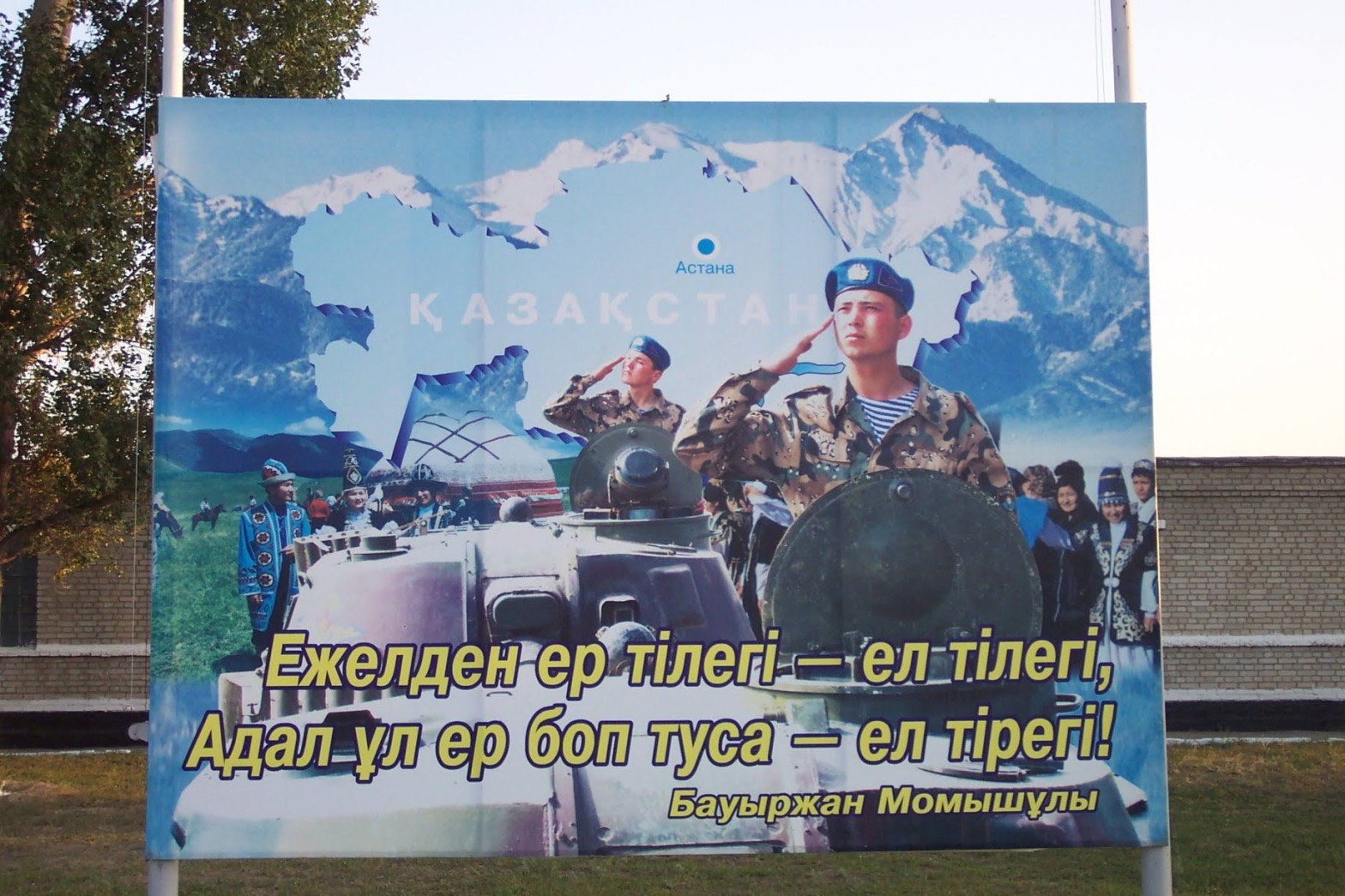
In 2004 I had the unique opportunity to visit Kazakhstan for a couple of weeks. We were based not far from Almaty which until recently, was the capital before the centre of power went to the city of Astana (now renamed to Nur-Sultan).
Kazakhstan was one of the countries on the ancient Silk route where merchants took their silk goods from China to all parts of Asia and into Europe. Not only goods were traded but knowledge and cultural and technical skills crisscrossed the Steppe through all of the countries ending in Stan!
Independence from the former Soviet Union was gained on the 16th December 1991 following an overwhelming vote to gain self-rule and break away from the control of Moscow. The 16th of December has been Independence Day ever since.
For most of visit we stayed adjacent to a disused army camp, the nerve centre for strategic operations back in the Cold War days. It has a gigantic underground command bunker with now empty missile silo tops still visible dotted around the area. Access to the bunker was some one hundred plus steps down through a tiled well lit tunnel, not unlike the metro network in the centre of Moscow, or indeed any major city. Around the area there were metal frames from the Soviet era reminding those passing of their might and power, I have included a photograph of one of these.
We were so far East, you could see the mountain tops of China in the far distance, behind us the rolling hills of the Kazakh steppe disappeared into the distance. We visited in August with the weather dry and arid, in that rugged terrain the only green to be seen were cannabis plants, which were hardy enough to endure the 45 degree heat. Everything else had withered in the relentless sun. It is easy to see why the Kazakh flag is a sun in a desert of blue, representing the sky. During the day you could look around 360 degrees and see just the deep clear blue sky.
The inhabitants of the rural areas were initially a bit shy of western tourists but after some encouragement with the exchange of cigarettes, they were easily won over and became friendly and helpful. Although there are many languages in the country, Russian is still the one to use in conversation with visitors.
Almaty city was like a jewel in the crown, for thousands of miles there are communities of nomadic people moving around with all their possessions, living off the land and livestock just as they have done for thousands of years, before Genghis Khan forayed into the county from the adjacent Mongolia. Open space gave the feeling of the ultimate freedom but a few short miles to the west we were in the city centre, a bustling and modern city with modern cars and buses with most people wearing western dress. A striking contrast to the country folk. During the Soviet era the war memorials across their empire were striking not only in size and statue, but in technical perfection. One of the more striking memorials in the former Soviet states is the one in Almaty, dedicated to General Panfilov and the 28 guardsmen killed in the defence of Moscow in WW2. The bronze statue stands on a stone plinth depicting the brave guardsmen arms outstretched protecting their country. In front of the uplifting edifice is a stone plinth containing an everlasting flame which burns brightly 24/7 even in the worst weather of the Kazakh winter the flame burns through the several feet of snow.
All around the city are memorials and commemorative buildings and museums. The restaurant scene is lively specialising in all cuisines, walking around at night is quite safe and the inhabitants of the city are most friendly. A smattering of Russian and you have friends for life. I would urge any adventurous tourist to spend some time in Kazakhstan, it is so much more than a name on a map. For more information and stories like this please have a look at my memoirs, available on Amazon worldwide. The Memories of a Rusty Cold War Warrior https://amzn.eu/d/0f2fkwZ4
The Battle of Albuhera

The Battle of Albuhera took place on 16th May 1811 during the Peninsula War against the armies of Napoleon Bonaparte of France. In 1811, Albuhera was a small village on the road to Badajoz, a fortress town held by the French but under siege by the British. In an effort to relieve the siege, the French despatched a large force under Marshal Soult.
On hearing of the French plans, Wellington despatched an allied force of 8,400 British, Spanish, Portuguese and the Kings German Legion troops under General Beresford, a British officer in the service of the Portuguese.
All the British battalions were under strength, the King’s German Legion were well led and disciplined but the Spanish and Portuguese were untried in battle and of dubious quality.
Soult was in command of 24,000 experienced French troops, including a cavalry brigade of Polish Lancers and French Hussars and more than 60 artillery pieces.
Houghton’s Brigade, in the centre contained the 1/29th, the 57th and the 1/48th Regiments of Foot. The 57th Regiment (West Middlesex) was commanded by Colonel William Inglis. It had a strength of 31 Officers and 616 men.
On the evening of 15th May, Beresford learnt that Soult was nearing Albuhera. On the morning of the 16th May, he began to deploy his force along the ridge to the south of Albuhera. Just after breakfast, Soult launched a feint attack against the King’s German Legion in Albuhera village whilst the remainder of the French force wheeled left to launch the main attack. Colbourne, fearing that the Spanish might not hold, positioned his brigade to strengthen his right flank. The French had now turned into line and were advancing steadily towards the British and Spanish. As the French closed to within about 100 yards, a violent thunderstorm suddenly descended cutting visibility to almost nil. Through the blinding sheets of rain and hail, Colborne’s troops on the right flank could see large dark shapes looming straight for them, and they felt the ground shaking beneath their feet.
Suddenly there was a cry of CAVALRY!
A strong force of about 800 French Hussars and the merciless Polish Lancers appeared out of the rain and attacked the 1/3rd of Foot (The Buffs) who were still in line, the worst formation for infantry to fight cavalry. The Colours naturally attracted the most attention. Ensign Thomas, a lad of just sixteen with the Regimental Colour was heard to say – “Only with my life!” – the French took his life and the Colour with it. Ensign Walsh was wounded and in danger of losing the King’s Colour when Lieutenant Matthew Latham rushed over to take it from him. Latham defended the Colour furiously – a sabre cut took away half his face and another severed his left arm. Under the horde of jostling hooves, Latham was left for dead. With the Buffs almost decimated, the remaining battalions of Colborne’s Brigade – still in line – prepared to receive the full force of the cavalry attack. The 2/31st were able to save themselves from annihilation by quickly forming a rallying square.
By now Houghton had been joined by Abercrombie on the left and the remnants of the 2/31st on the right. A firing line was formed – shoulder to shoulder, but it was still only about 3200 bayonets against 8500.
The 57th, one of the junior battalions of the Division, held the centre of the line, traditionally the most hazardous place on the battlefield. Early in the battle, Colonel Inglis was severely wounded, with grapeshot piercing his neck and lung, yet he refused to be removed to the rear and remained with the Colours. For three hours, perhaps more, the agony lasted, yet not a man moved except to close the ever-shortening British line. Through all the crash and clatter, the moans, curses and screams, a voice could be heard calmly repeating. “Diehard 57th, Diehard”. That voice belonged to Colonel Inglis. By doing as they were bidden the 57th earned themselves undying glory and an immortal nickname – the “Die-Hards”
Sensing that the battle could still be lost if the right flank of the 2nd Division was turned by the French, General Cole ordered the Fusilier Brigade, which was in reserve, to advance. Linking up with the 2nd Division, the Fusiliers poured volley after volley into the flanks of the French. The Portuguese Brigade also joined the line to add their weight of fire upon the packed dense ranks of Frenchmen.
By now the French could stand no more – they turned and broke leaving the bodies of the dead and the wounded piled high in heaps. The historian William Napier, in his history of the Peninsula War wrote – “the mighty mass gave way and like a loosened cliff went headlong down the steep”.
Sensing victory in the air the remnants of the 57th joined in the final charge with the Fusiliers. There was a cry from Beresford “Stop! Stop the 57th! It would be a sin to let them go on!” But it is unlikely that this order was received by the Regiment. Marshal Soult later angrily recorded “There is no beating these troops. They were completely beaten, the day was mine, and they did not know it and would not run.”
Wellington dryly observed – “Another such battle would ruin us.”
Following the battle, the Regimental Colour of the Buffs that cost Ensign Thomas his life, was later recovered by a sergeant in the 7th Foot (Royal Fusiliers). The Kings Colour of the Buffs was also found – ripped from its staff, covered in blood and mud, inside the tunic of an officer barely alive and slashed beyond recognition. This officer turned out to be Lieutenant Latham. He later received medical treatment at the personal expense of the Prince of Wales. He continued in the service, heavily disfigured, one-armed and blind in one eye.
The battle of Albuhera had began at 8.00am and six hours later it had ended. 4,159 British casualties had been sustained. The French losses were never made official for fear of Napoleons wrath, but is likely they exceeded 10,000. Spanish and Portuguese losses were about 2,000. The 3rd of Foot (the Buffs) lost 633 out of 725. The 2/31st of Foot (later the East Surrey Regiment) lost 155 out of 418. The 57th of Foot (later the Middlesex Regiment) faced the onslaught longest without flinching and lost 428 out of 627. Not a man was missing and all wounds were to the front.
In special recognition of their contribution the 57th were granted the unique honour of carrying the battle honour ‘Albuhera’ on both their cap badge as well as their Colours
In 1966, the Buffs, the East Surreys and the Middlesex were absorbed into the Queen’s Regiment. It was therefore fitting that 16th May – Albuhera Day – be chosen as the Regimental Day within the Queen’s Regiment.
In September 1992 when the Queen’s Regiment was itself absorbed into the Princess of Wales’s Royal Regiment, Albuhera was adopted as the new regiments main battle honour.
Following the battle, the surviving officers of the 57th gathered in a Spanish tavern and vowed never to forget their comrades sacrifice. From this meeting grew the Diehard Ceremony in which a loving cup was passed in silence “To the immortal memory” by the Officers and Warrant Officers and Sergeants Messes of the Middlesex Regiment. This tradition was later inherited by the Queen’s Regiment and subsequently by the Princess of Wales’s Royal Regiment. Today Die Hards, Queensmen and Tigers throughout the world honour that tradition and toast ‘The Immortal Memory’.
Source – PWRR/Queen’s Museum/ArmyTigers.com

