We are fast approaching the 85th anniversary of the end of the Battle of Britain, so named by Sir Winston Churchill in a House of Commons speech where he indicated that the Battle of France was ended, and the Battle of Britain was about to begin.
He also coined the phrase ‘The Few’ who were the brave pilots that went head to head with the aggressors to our shores. This was to engage the public to support the RAF aircrew and come together as a united nation, indeed the ‘Spitfire fund’, which was collecting donations towards the cost of a new spitfire announced by Lord Beaverbrook to support the war effort collectively. The cost of a new fighter was 5,000 pounds, a large sum then, but deemed achievable in towns and small communities across the nation. In reality was they cost nearly 13,000 pounds which was a great deal of money in 1940.
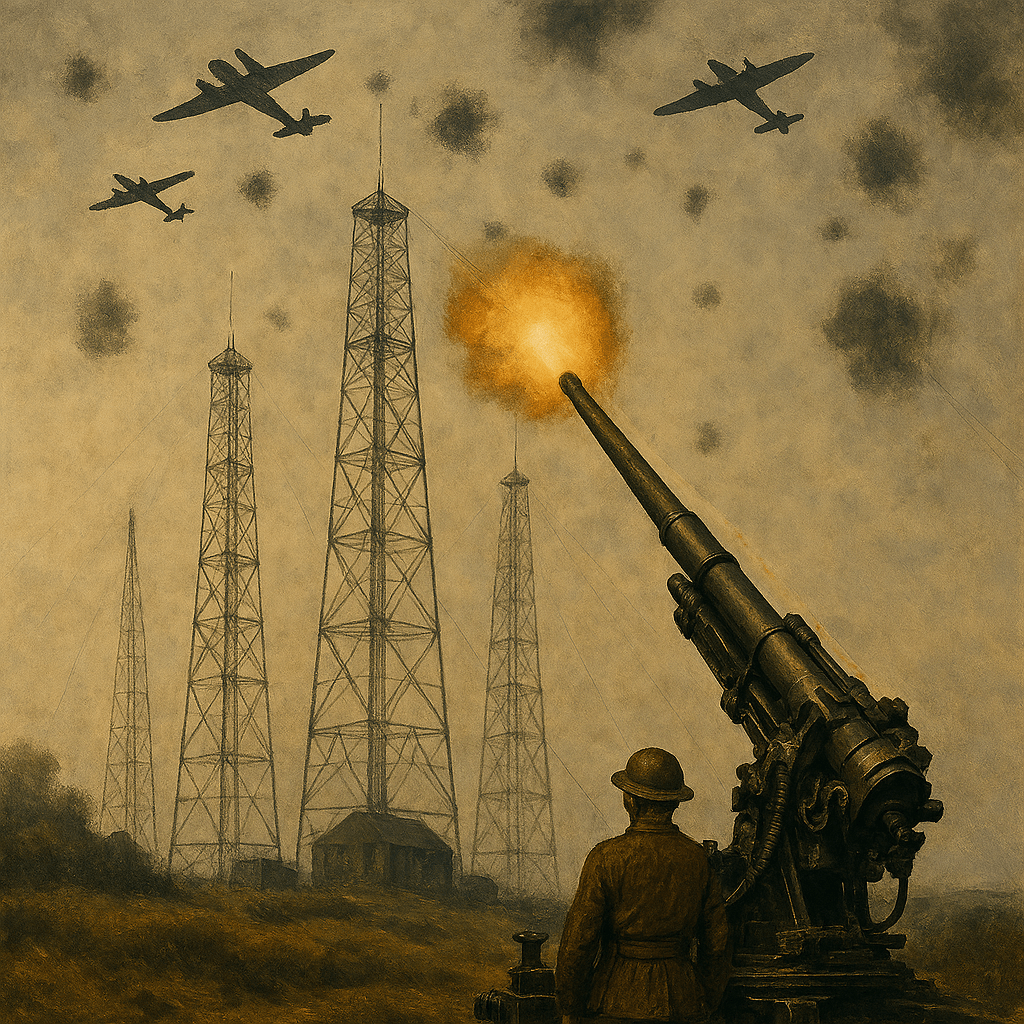
Over the years there has been a friendly rivalry between the RAF and the Army as to which service contributed the most towards the enemy losses, according to the war diaries now available from the National Archives 300 enemy planes were shot down, 75 of these were from the 75th Heavy Anti Aircraft regiment around Dover with the control centre in the bowels of Dover castle. In reality the two worked together, the AA guns dispersed bomber formations, forcing them higher and leaving them vulnerable to RAF fighter attack. The RAF accounted for around 2,300 aircraft shot down during this period, from dawn til dusk they waited for the call, something fighting 4 or 5 times a day, very debilitating during a very long hot summer.

Whatever the arguments for and against between the 2 services, most of the participants have now drifted away and those remaining face old age with pride, they did a good job and should be incredibly proud, as should we a grateful nation for the suffering, fear and uncertainty of those bleak times.
Looking around now it would be hard to see any evidence of this activity, the former RAF Hawkinge once a front line fighter station is now a housing estate, only a museum stands testament to what happened there in 1940, the headstones in the graveyard tell an individual story. None of the original gun sites still exist from that era, only those created in 1941 for targeting enemy shipping are still evident such as the Capel Battery and Wanstone farm. If you visit Capel the Battle of Britain memorial is situated on the cliff top with its iconic stature of a fighter pilot sitting looking skywards out to sea. I commend this as a must visit site if you are in the area.
Time has moved on, the grass and undergrowth has engulfed history please remember those dark days of 1940, 3 generations ago and be thankful for their service.
One man’s story can be found here: https://www.amazon.co.uk/Letters-John-F-Bennett/dp/1399976907
 John F Bennett, Author, Blogger and Military Historian